Examples of computational design methods– THEORY CHAT Disorder- Randomness
What are the intrinsic aesthetic qualities of computational design? overt/covert
Analog soft fluffy non rigidness maybe qualities not associated with computer design
bouket – soft focus- geometric to organic form
Computer is as clever as the programming (Frieder Nake) – work looks like it has been made using processing but it has been produced using a Plotter A plotter has an awareness of the overall image unlike a printer. Qualities: repetition, precision, variation (order- disorder- visual tension),
Paul Klee’ye – studies analog form, encodes it and runs it- outcomes are varied.
What are the processes behind images?
Manfred Mohr- Draw a shape using points- computer joins them in a random way. Store on outcome and generate new unique outcomes.
Georg Nees- order and disorder, repeat, grid, random
Sol LeWitt – minimal conceptual art- murals, geometric sculpture. He sends through instructions for art to be created- again challenges traditional notions of ownership of work- the rigidity is injected with a randomness
pseudo code- description of code in English of process. Not encoded in a form that can be expressed by the computer.
Ben Fry- cowriter of processing- pre planned concept is engineered using computer. However mistakes can be interesting and so the computer can become an active partner in the design process instead of a passive tool.
Algorithm- instructions- in everyday life. Processes to be ‘optimised’
Bridget Riley – algorithmic in her methods of producing colour and form. Coders learning by imitation to to create a Bridget Riley work- range of colours randomised- known palette- repeat and rhythm. As humans we seek out patterns, repeats.
default settings- stroke black fill white, 60 frames/sec
System functions: setup, draw, mousePressed, filter(BLUR), colour selector (hexadecimal)
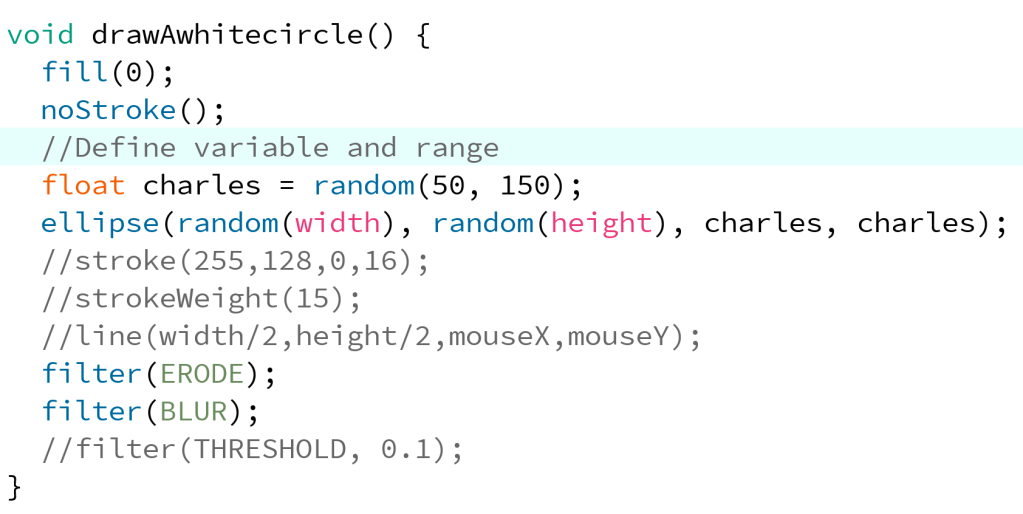
filter- threshold- black and white, keyPressed save. Command K see pics in folder), saveFrame (at end of draw loop to create animation) hash to save multiple, random always gives floating number back, set for 2 (1-100) (lower, upper), blendMode
Generate a variable that fits into two positions- float = returns
movie maker frame rate 33
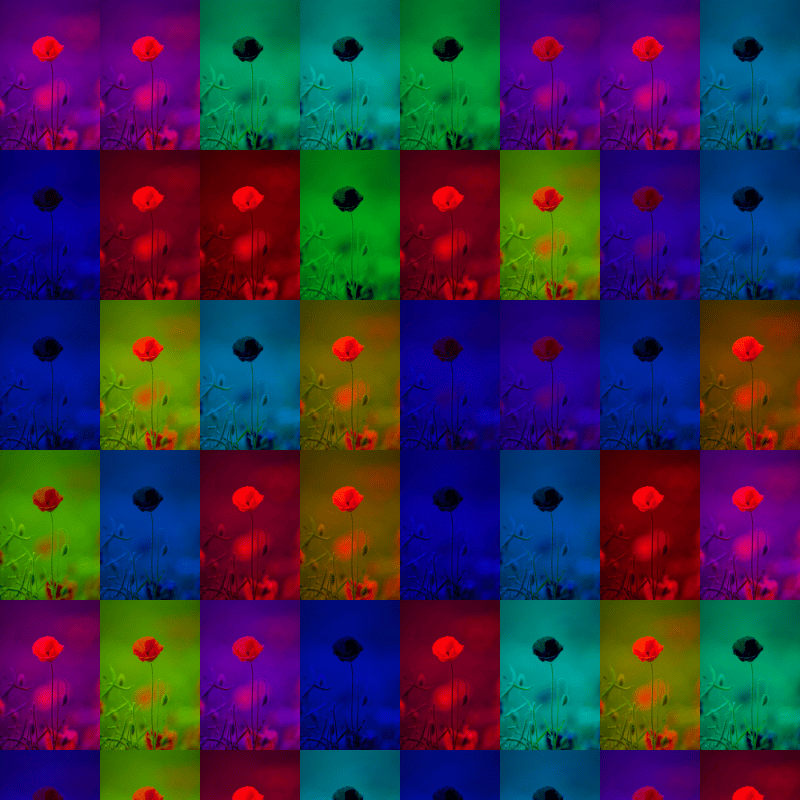
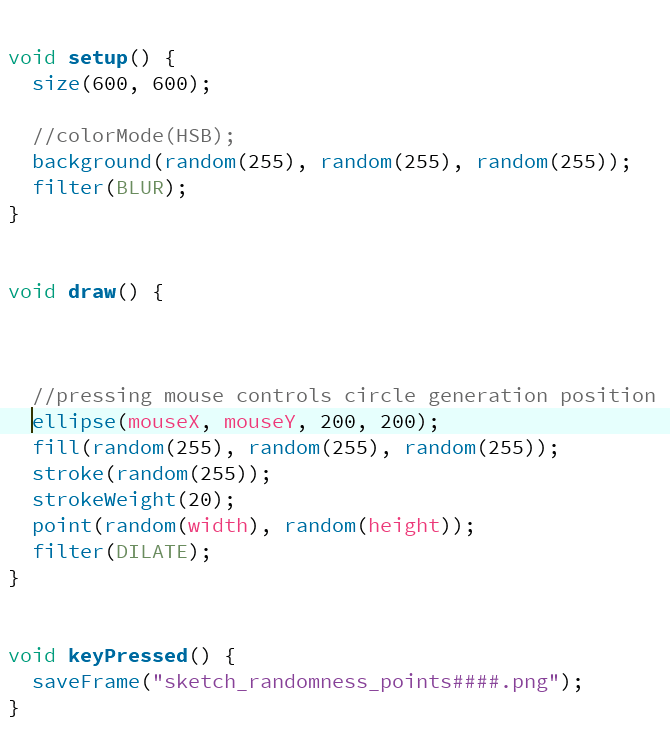
Workshop sketch // = randompositioning of point along width and height. Filters dilate and blur points(corresponding) workshop outcomerandom positioning of circles and random size of circles/ ellipses (diameter)(corresponding) outcome – triangles and circles have been given random sizes and generate at random positions in randomised colours
Accessibility of code- democratise coding skills to artists and designers. challenges traditional notions of intellectual property in Art context- open source code.
Hello world processing video- community/shared resource/digital sketchbook (buildable)
Code is language through which ideas are expressed that computer can understand.
Algorithms- instructions that computers can run- ordered list- describing behaviour of system- the creative idea. Manipulating algorithms where raw data is not engaging.
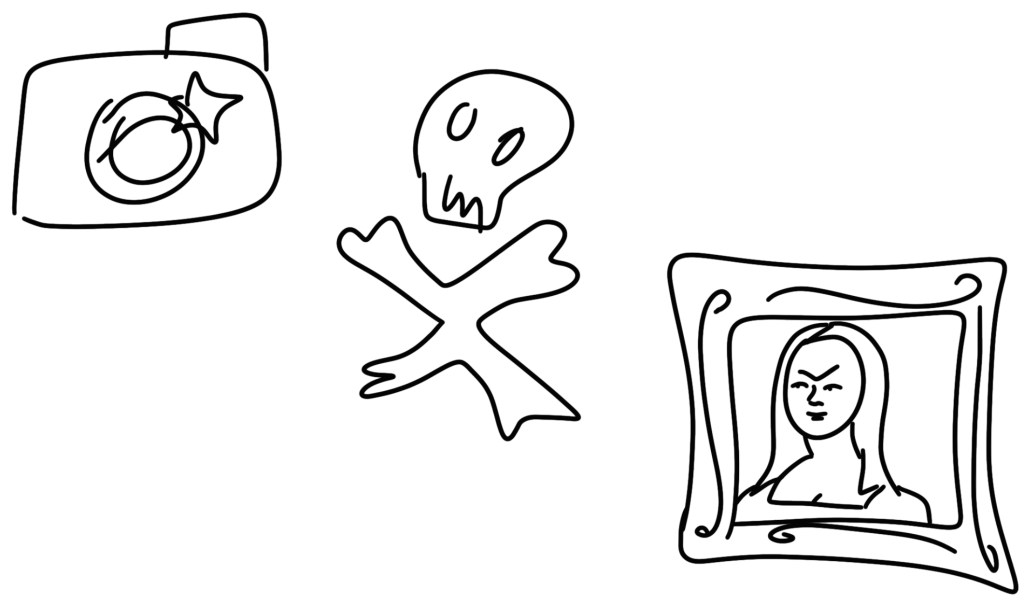
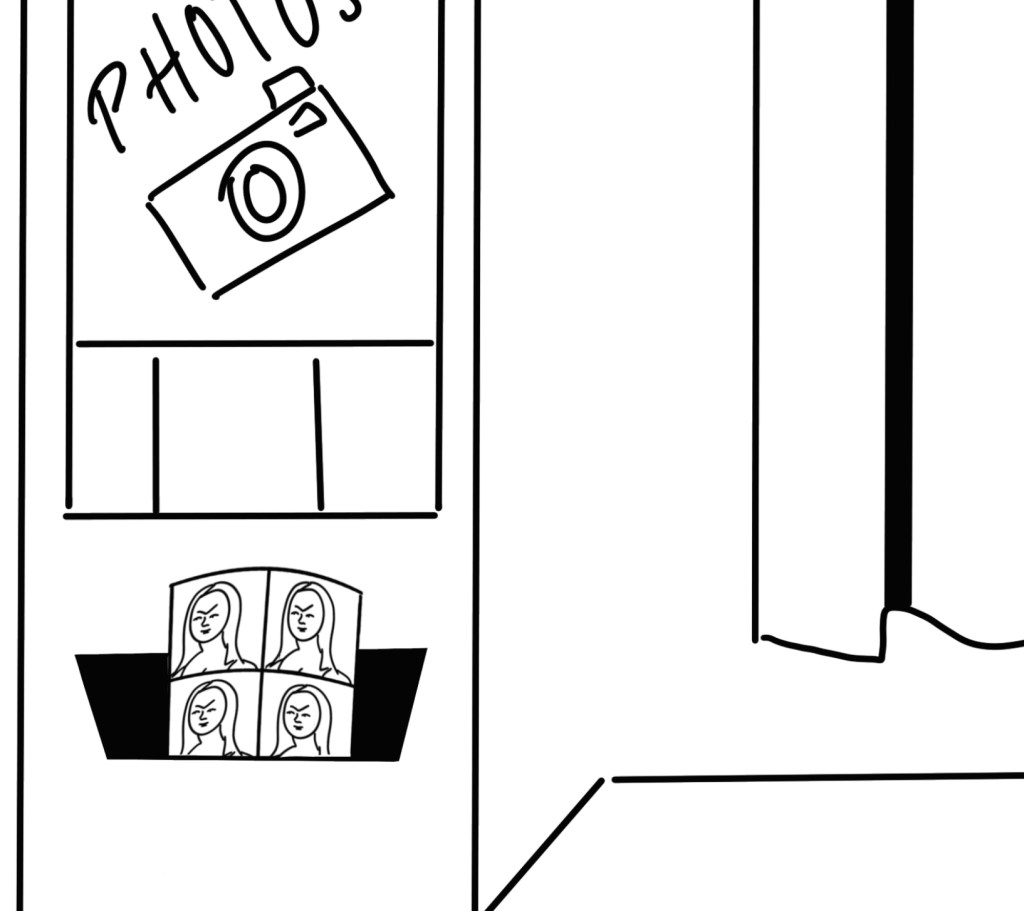
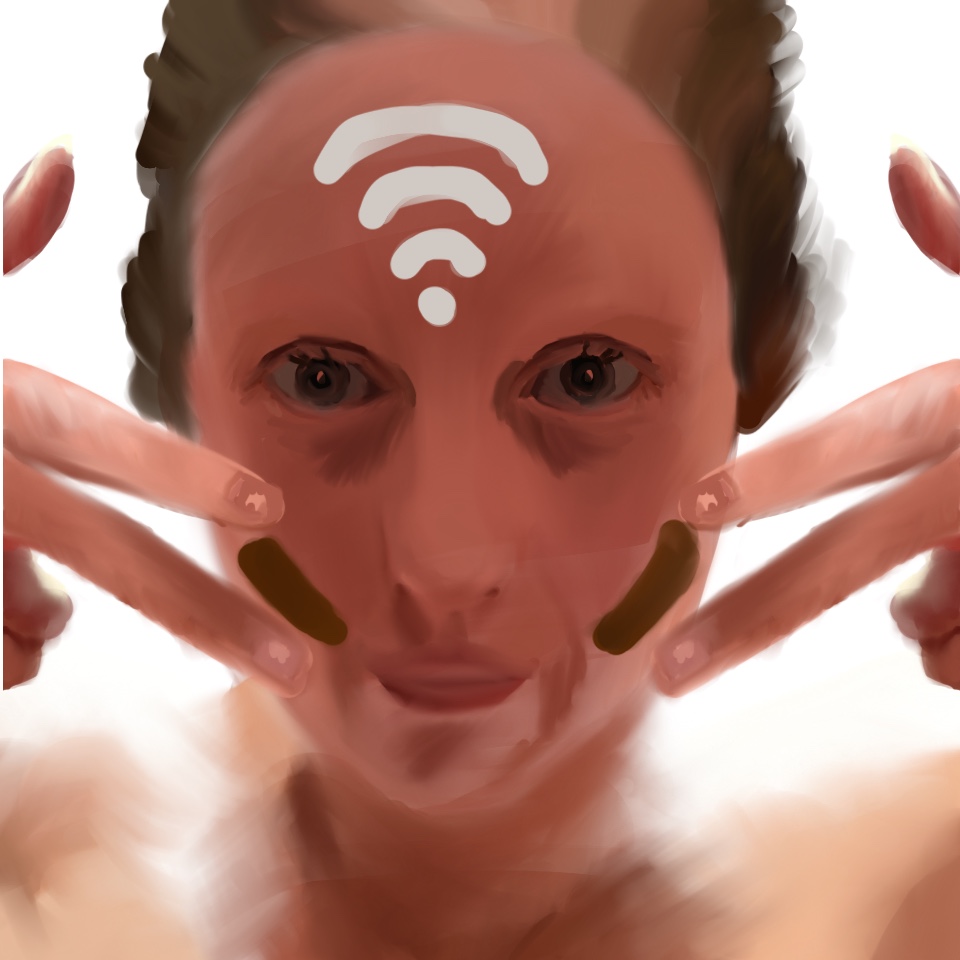
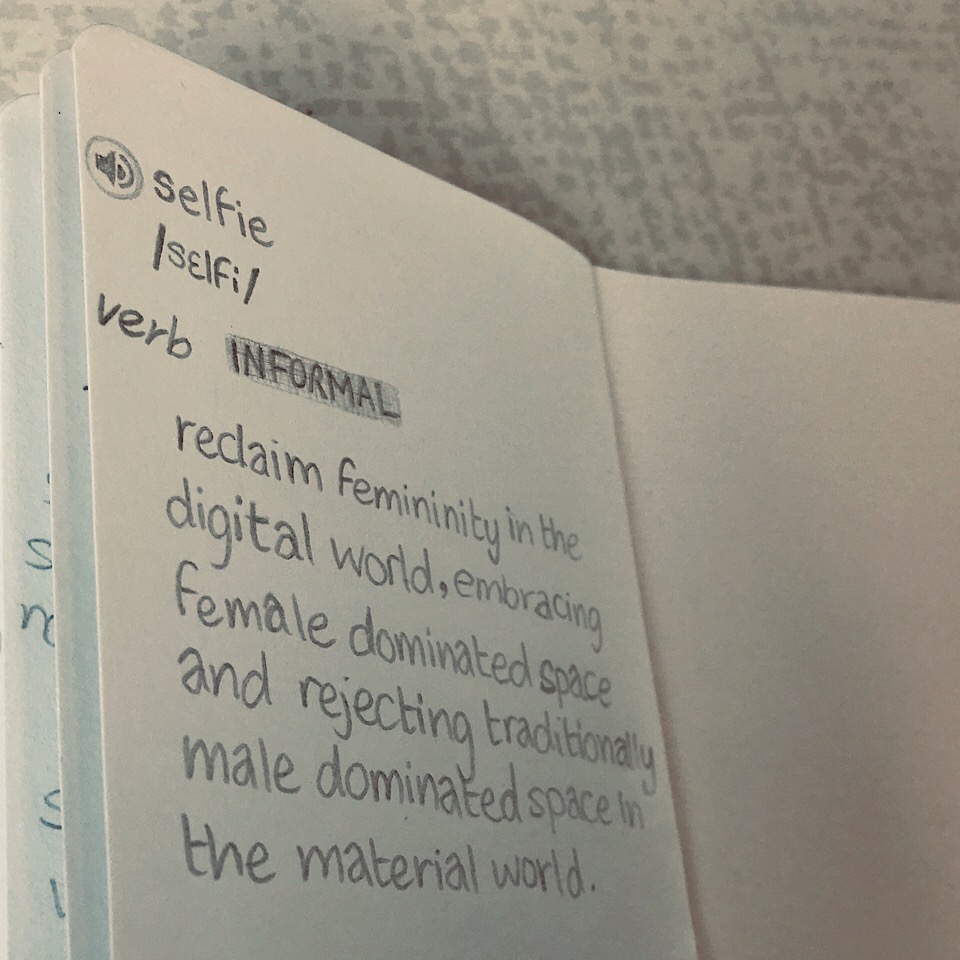
Brief: Selfie as a concept/ digital culture/ social media platforms/ self portrait/ self interpretation
Integration of themes for selfie composition: colour/ shape+form/ letter/ number
Explore + represent concepts whilst considering methods of expression, interpretation and communication. E.g. documentation methods- mark-making/ data capture/ written text
Visually communicate justification of choices.
Expectation: 4 images (960 x 960 pixel) displayed in a grid
50 word summery per image expressing meaning behind visual
Name and title
Duration: 1 week (5 days)
Research
John Berger ‘Ways of seeing’ episode 1 1972. ‘New impressiveness’ inspired by Walter Benjamin 1936 essays Transient meaning- reproduction lets us experience art on our own terms but it also distorts the original. Reproduction challenges the value of the original. Original gains a new value through its authenticity, a monetary value, and this is reflected in the preservation of originals. The value of the original being temporally and socially dependent is changeable, e.g. Spiritual vs cultural vs economic capital. Reproduction undermines the original so an obsession with authenticity softens this blow. The original is valuable again and is hidden away for protection, ironically increasing the need for reproduction and challenging the necessity of it’s own existence. Art needs to become independent from the economic capital masquerading as cultural capital afforded as consolation prize in the face of technology that facilitated reproduction.
Video didn’t just kill the radio star…
Reproduction can lead to manipulation of meaning through the addition of sound/extractions/context on an otherwise silent whole. Reproduction introduces ambiguity. However it also offers an opportunity to directly observe and reflect on art in light of one’s own experience. An opportunity to form one’s own opinion. ‘Pictures are words not relics’. Technology has moved beyond the prescriptive towards interaction, demanding agency where there was once passivity. Agency to think critically about the meaning with which we are presented.
In digital culture authenticity seems second to manipulation, to perfection. The ability to edit out or to manipulate what others see is extended to everyone through the democratisation of technology. In a world where nothing is authentic does authenticity increase in value?
Reproduction
Hello world project brief is about the ‘Selfie’, specifically a machines ability to see you. Through the use of facial recognition technology and a cameras ‘Unseen Portraits project’ at ‘SEEING’ (Schmitt and Bogner 2016) captures the moment when the face becomes so distorted that it can no longer be recognised by machine. It investigates and challenges the concept of a machines sense of sight. It demonstrates the behind the scenes aspect of what we associate as a machine’s sense of sight, notably the human programming responsible, creating space for a discussion about bias which has traditionally been overlooked in the virtual world.
The exhibition fits into a larger context of work that aims to raise awareness of the bias in facial recognition technology and the real world implications of the unrepresentative sample sizes that feed such bias. Work such as this is increasingly important now that we rely on technology to facilitate many real world events, e.g. social and professional opportunities, protection, even shopping.
Those not represented in the sample sizes of data that feed the algorithms are designed out of usage. For example Joy Boulumwini created the ‘Algorithmic Justice League’ to highlight the bias towards traditionally privileged groups and exclusion of groups not represented by facial recognition software. She positioned the problem in an intersectional light to demonstrate how underrepresentation and discrimination in the material world can be amplified in the digital world. Clearly representation is important and the AJL promotes the creation of representative data sets to challenge this ‘coded gaze’. I think the term gaze is important because it implies a power dynamic which sight does not. The act of seeing is passive whereas the act of gazing is deliberate and loaded.
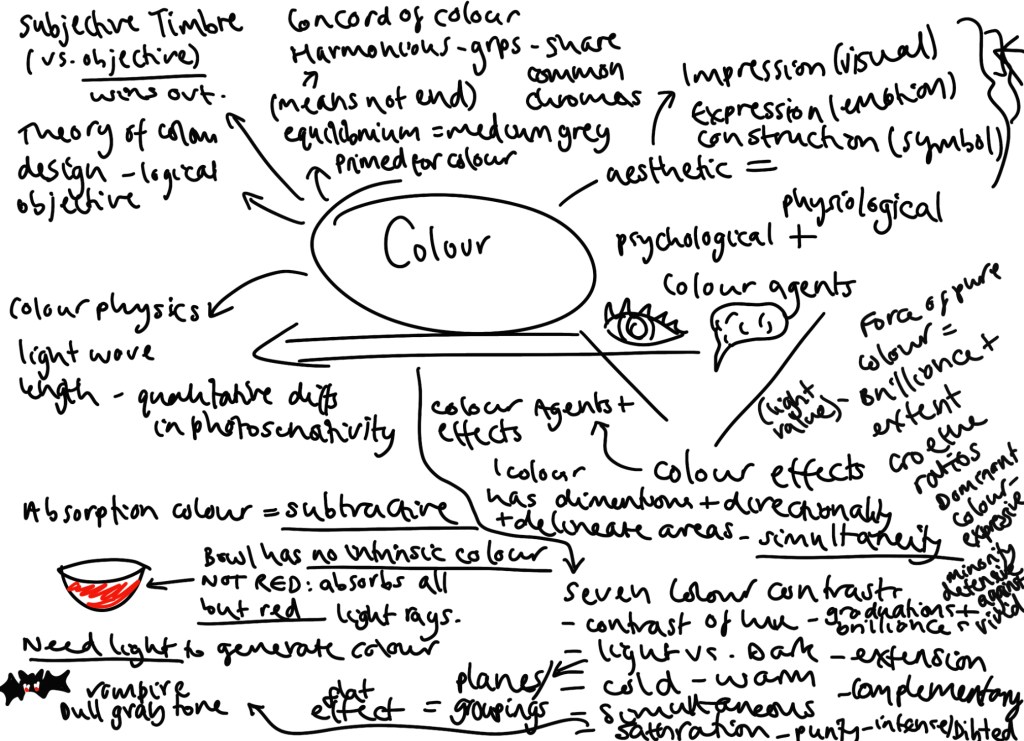
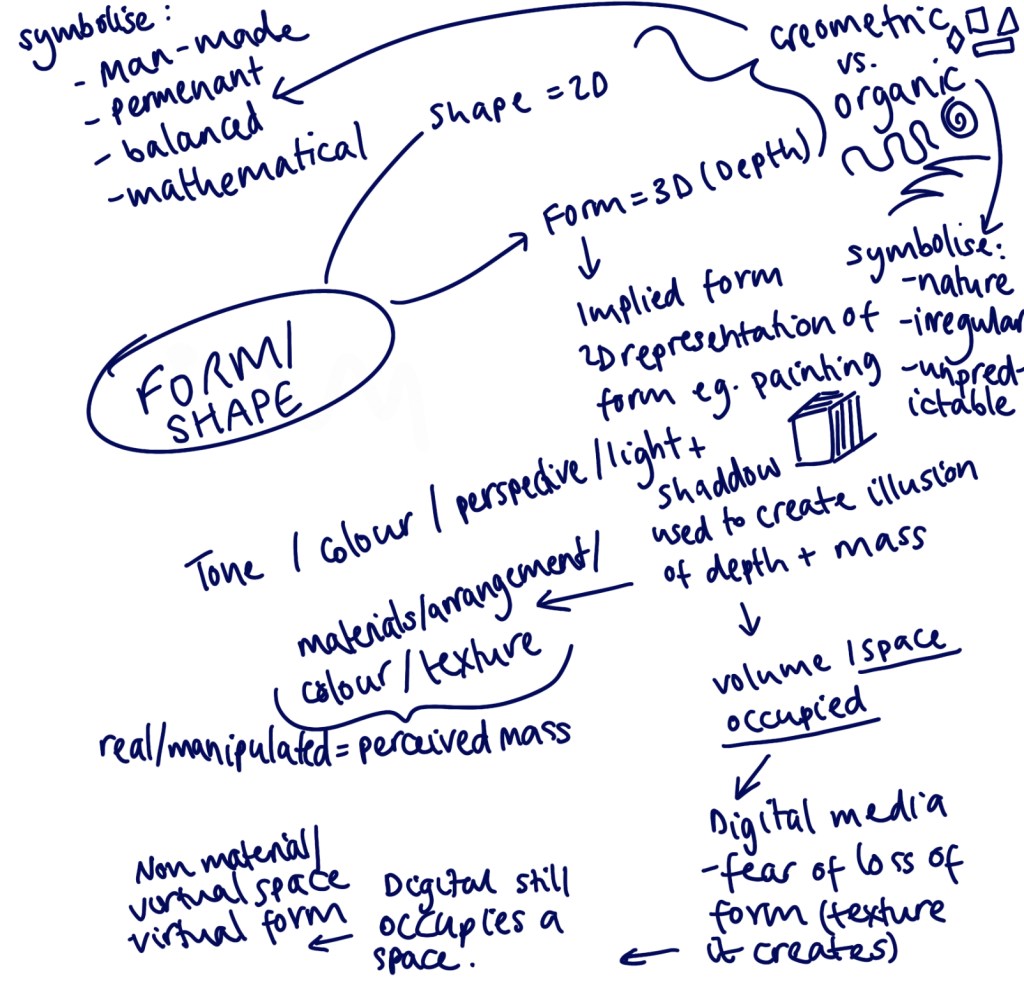
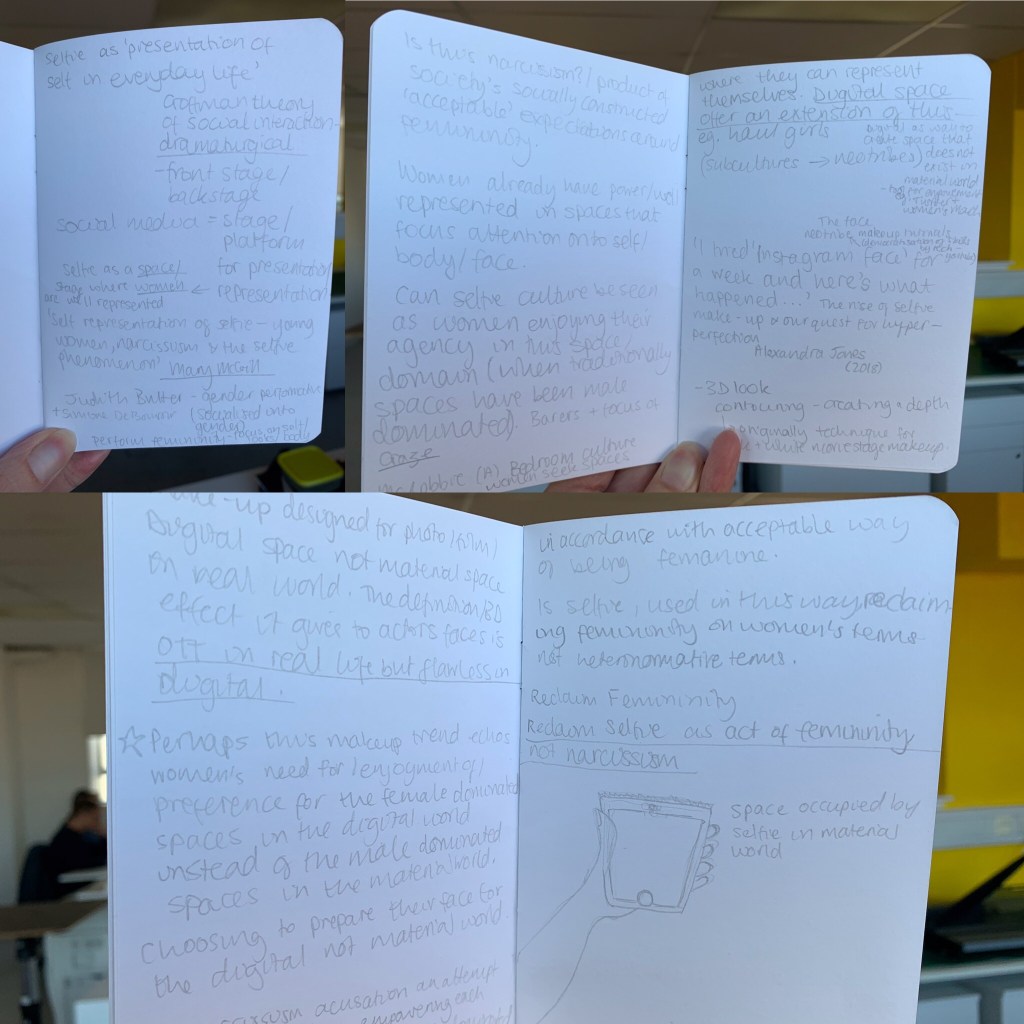
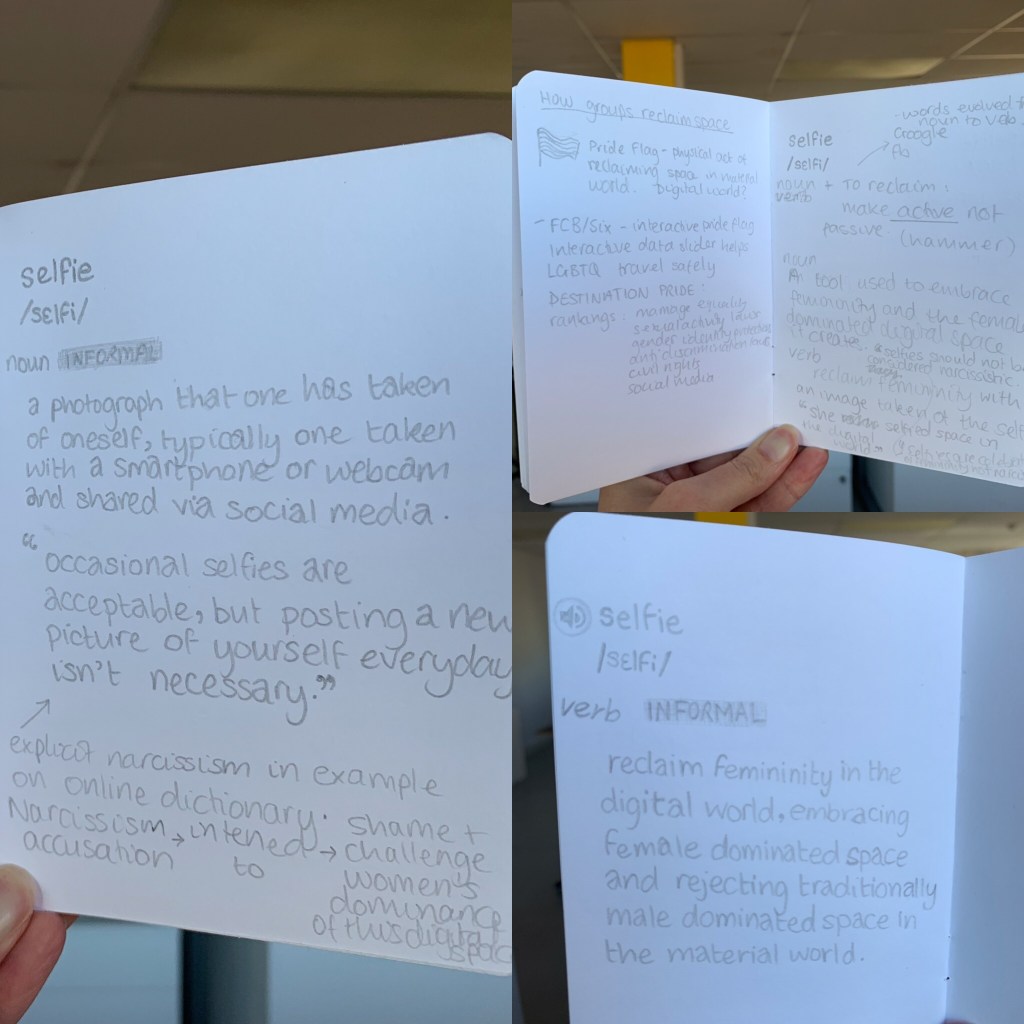
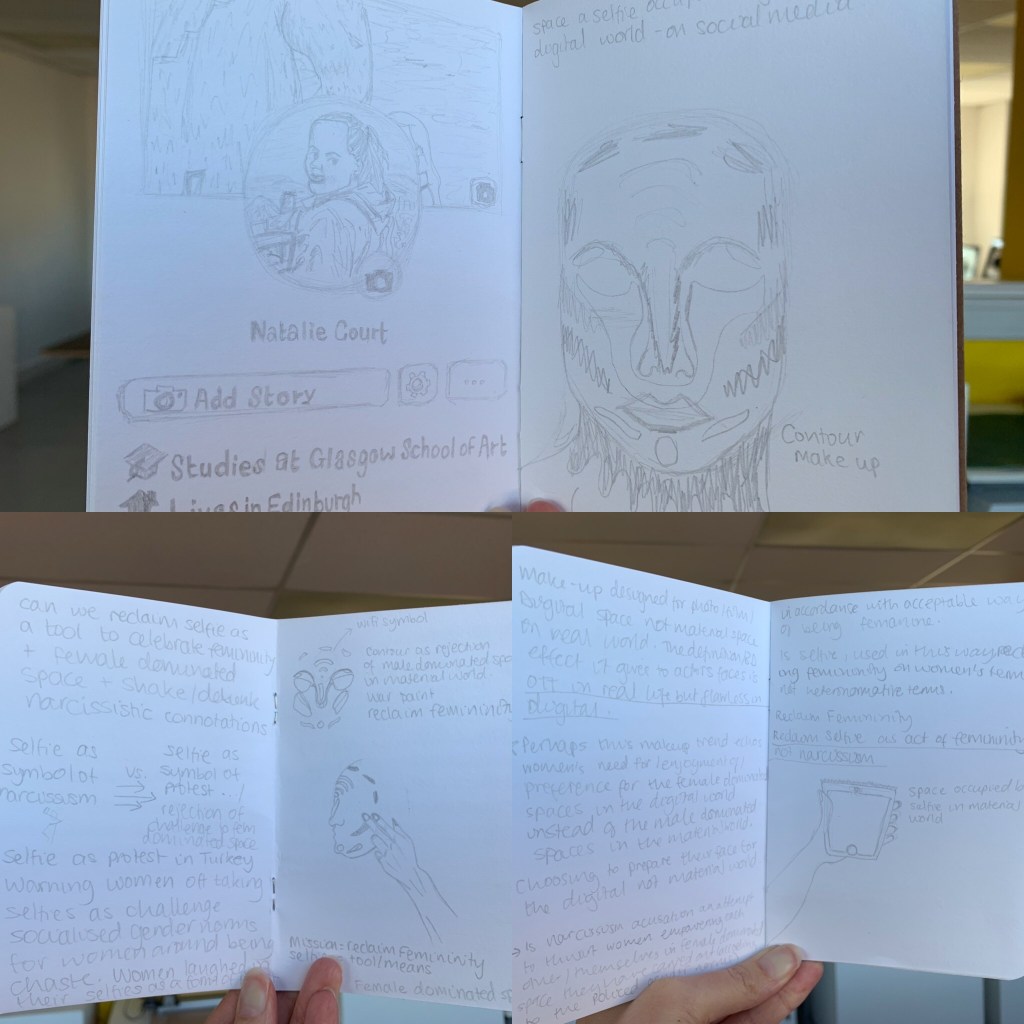
THE ELEMENTS OF COLOUR: A TREATISE ON THE COLOUR SYSTEM OF JOHANNESBURG ITTEN BASED ON HIS BOOK ‘THE ART OF COLOUR’ BIRREN (1970)Form research (Bitesize)Sketch book sketch book continuedSketchbook colourFormLetterNumber
Take photos of key project info and upload to learning journal. Process must be evident through text annotations and reflection. LJ must be kept up to date and counts toward final grade.