Examples of computational design methods– THEORY CHAT Disorder- Randomness
What are the intrinsic aesthetic qualities of computational design? overt/covert
Analog soft fluffy non rigidness maybe qualities not associated with computer design
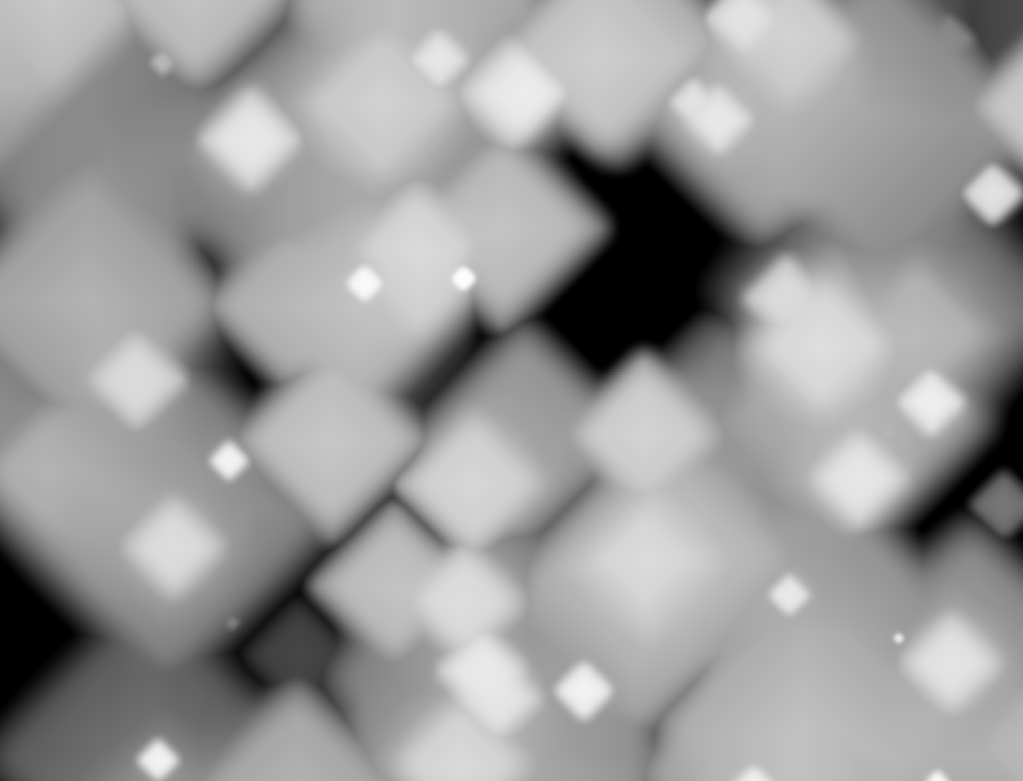
bouket – soft focus- geometric to organic form
Computer is as clever as the programming (Frieder Nake) – work looks like it has been made using processing but it has been produced using a Plotter A plotter has an awareness of the overall image unlike a printer. Qualities: repetition, precision, variation (order- disorder- visual tension),
Paul Klee’ye – studies analog form, encodes it and runs it- outcomes are varied.
What are the processes behind images?
Manfred Mohr- Draw a shape using points- computer joins them in a random way. Store on outcome and generate new unique outcomes.
Georg Nees- order and disorder, repeat, grid, random
Sol LeWitt – minimal conceptual art- murals, geometric sculpture. He sends through instructions for art to be created- again challenges traditional notions of ownership of work- the rigidity is injected with a randomness
pseudo code- description of code in English of process. Not encoded in a form that can be expressed by the computer.
Ben Fry- cowriter of processing- pre planned concept is engineered using computer. However mistakes can be interesting and so the computer can become an active partner in the design process instead of a passive tool.
Algorithm- instructions- in everyday life. Processes to be ‘optimised’
Bridget Riley – algorithmic in her methods of producing colour and form. Coders learning by imitation to to create a Bridget Riley work- range of colours randomised- known palette- repeat and rhythm. As humans we seek out patterns, repeats.
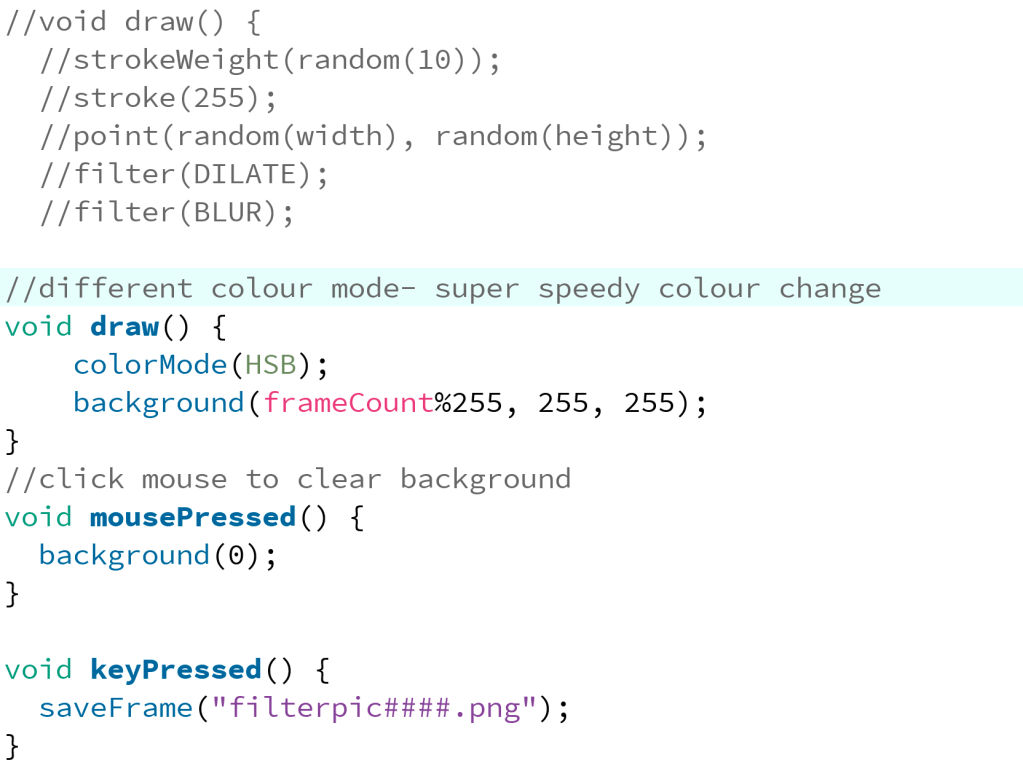
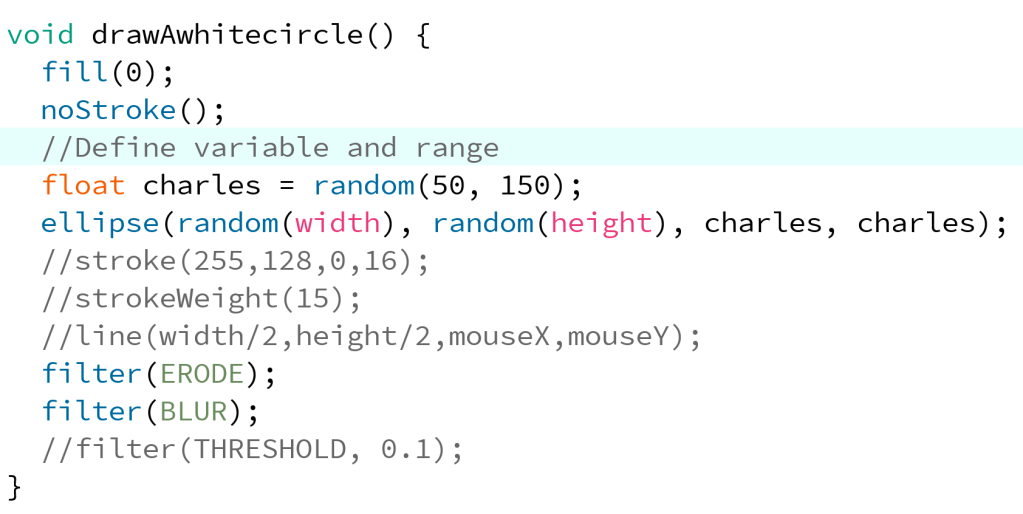
Processing- PRACTICAL CHAT defining variables, randomness, filters
default settings- stroke black fill white, 60 frames/sec
System functions: setup, draw, mousePressed, filter(BLUR), colour selector (hexadecimal)
filter- threshold- black and white, keyPressed save. Command K see pics in folder), saveFrame (at end of draw loop to create animation) hash to save multiple, random always gives floating number back, set for 2 (1-100) (lower, upper), blendMode
Generate a variable that fits into two positions- float = returns
movie maker frame rate 33